
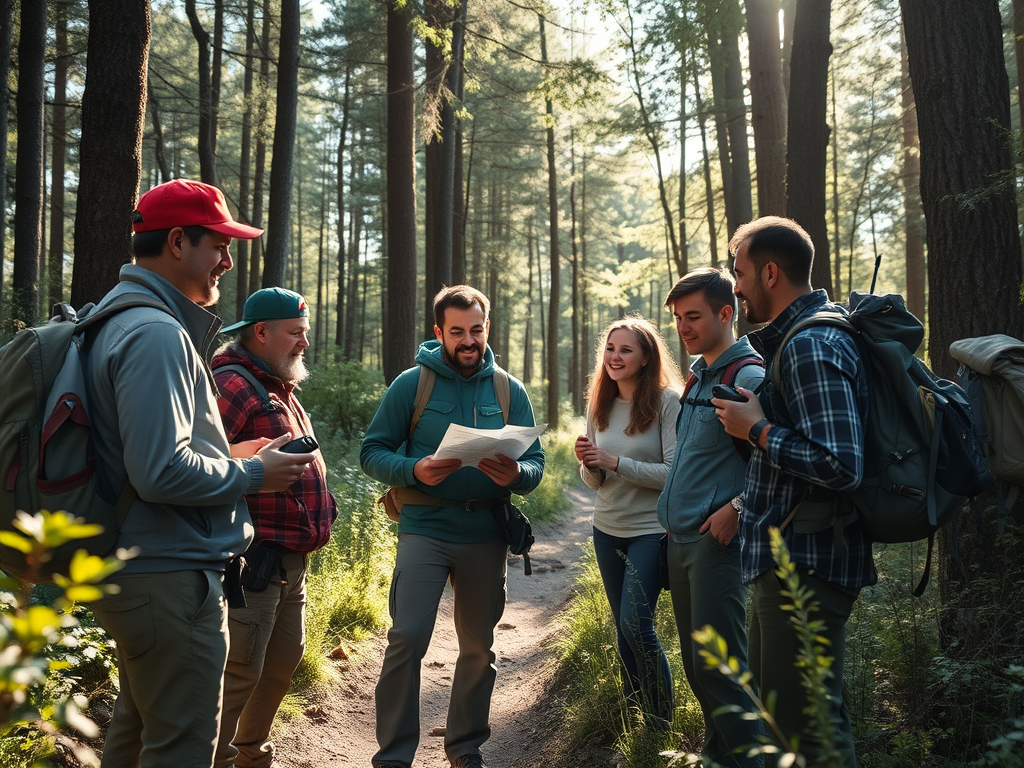
Venturing into the backwoods can be a thrilling and rewarding experience. The peace of untouched nature, the camaraderie of group exploration, and the challenge of the trail all come together to create unforgettable adventures. Yet, hiking in remote areas also comes with risks — from sudden weather changes to injuries or getting lost. That’s why having a clear and effective communications plan is crucial when hiking in a group.
A communications plan outlines how group members will stay in touch, what to do in case of separation, and how to handle emergencies. In backcountry areas, cell service is often unreliable or nonexistent, making advance planning essential. This includes designating meeting points, establishing check-in times, and choosing communication tools like two-way radios or satellite messengers.
In the event of an emergency — such as an injury, bear encounter, or lost hiker — a communication plan ensures a coordinated and calm response. Everyone should know who the leader is, how to contact help (if possible), and what steps to follow. Without a plan, miscommunication can lead to delays in rescue, increased danger, or even panic.
Even on a routine hike, people may walk at different paces, explore side trails, or become distracted. A well-communicated plan helps preserve group cohesion and ensures that no one is accidentally left behind.
Ultimately, a communications plan isn’t just about preparedness — it’s about respect for the wilderness and for each other’s safety. By taking time before your hike to plan how your group will stay connected, you’re investing in a safer and more enjoyable experience for everyone involved.
This site and the articles on it can give you a head start on what things to consider when you want to up the safety and enjoyment of your adventures.
 Hiking Communications
Leave a comment